Actualisé 23 Heures il y a
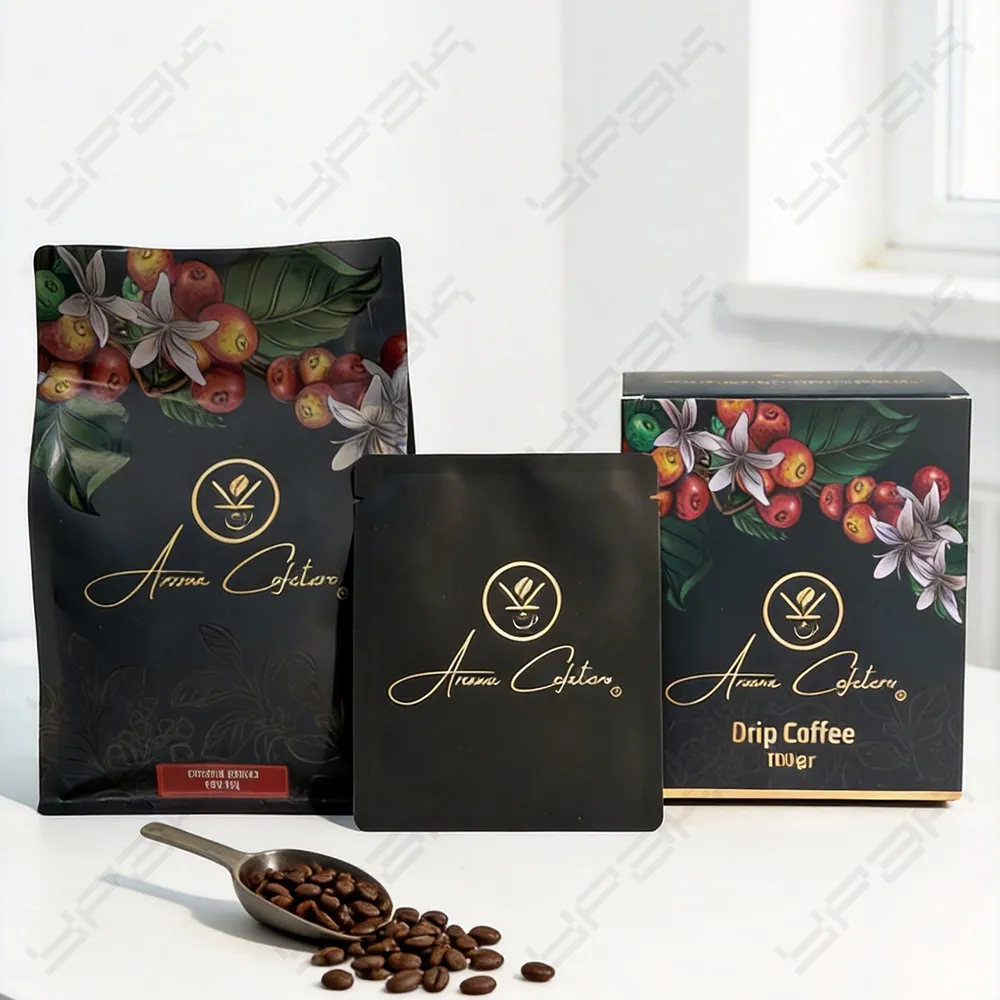
Boîte à café goutte à goutte: Conception de la boîte, Sachets et conception de boîtes de vente.

ypak.coffee
YPAK PACKAGING GROUP a été créé à 2011 et formé avec 3 entreprises basées à Hong Kong, Dongguan et Foshan. Nous sommes devenus l’un des plus grands fabricants de sachets de café en Chine. Nous utilisons les meilleures vannes WIPF de Suisse pour garder votre café frais.
Respecter la politique d’interdiction du plastique imposée à de nombreux pays différents, Nous avons recherché et développé les sacs d’emballage durables, comme les sachets RECYCLABLES et COMPOSTABLES.
Pas de quantité minimale, aucune plaque couleur n’est requise avec notre service d’impression numérique HP 25K INDIGO.
Vous êtes les bienvenus pour visiter YPAK.
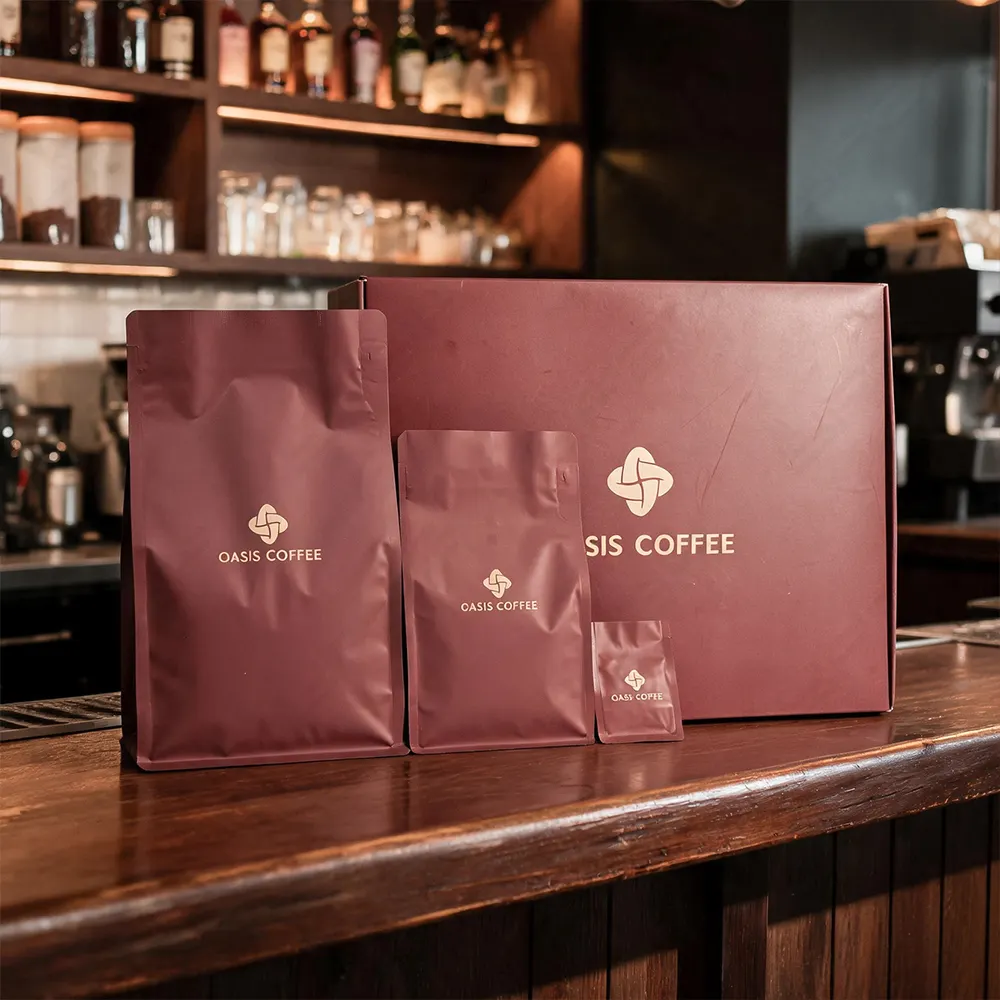
Une boîte à café goutte à goutte ne peut pas être simplement une combinaison de différents filtres à portion unique. Il doit conserver une odeur de café moulu, La préparation doit être pratique, retail and shipping frameworks should be accommodating and it should help customers to learn how to use the product in a few seconds. These specifications belong to one system of packaging: filter maintains the extraction, sachet assures freshness and carton serves to arrange the information and physical look.The design process is a backward one which begins with the brewed cup. Select dose and method of preparation, check filter and sachet and last but not least, simply select box size. This chain rules out the chances of eye-catching cartons hiding unsuitable or substandard seals and guidelines.
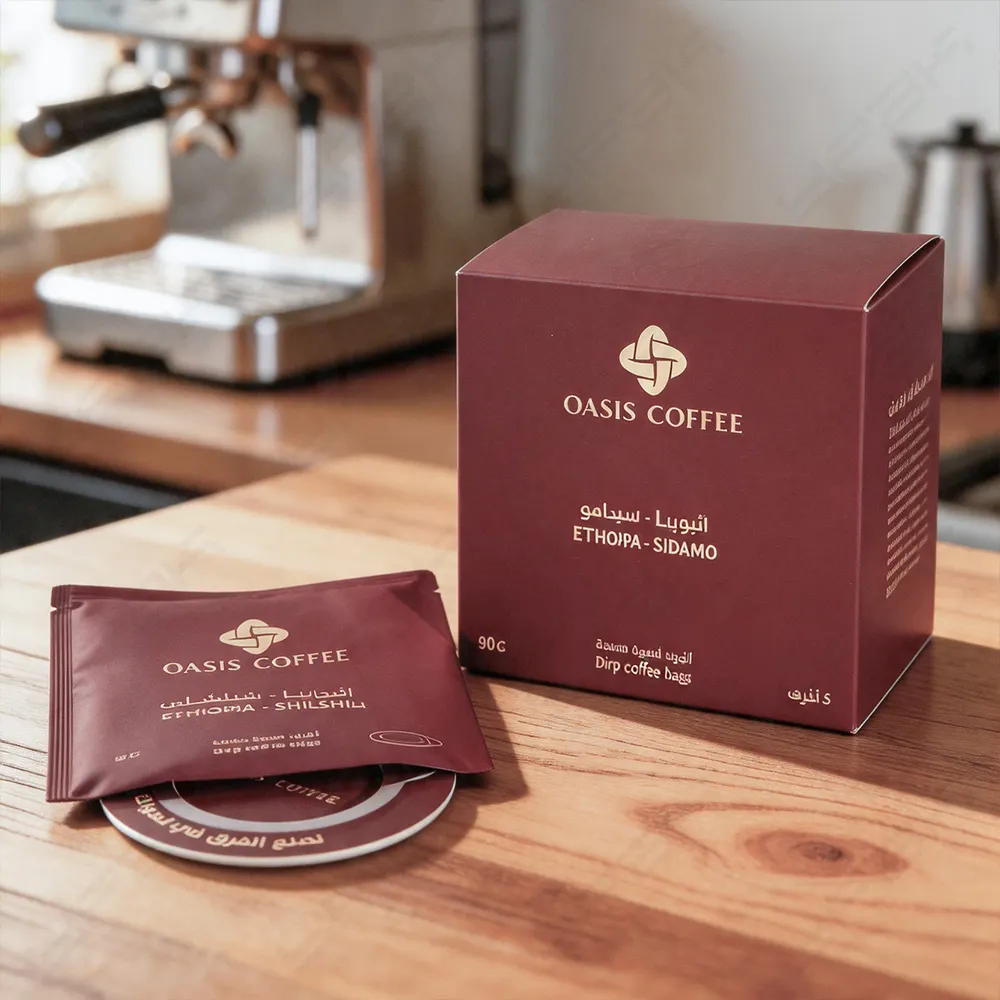
Determine the Product and then the Box.
The term drip coffee box can be used to refer to a five-pack sample package, a ten-pack retail package, a tasting package, or a bigger office dispenser. The appropriate format is determined by the occasion of use and the sales channel as opposed to a predetermined formula in the industry.
Start With the Brewing Specification.
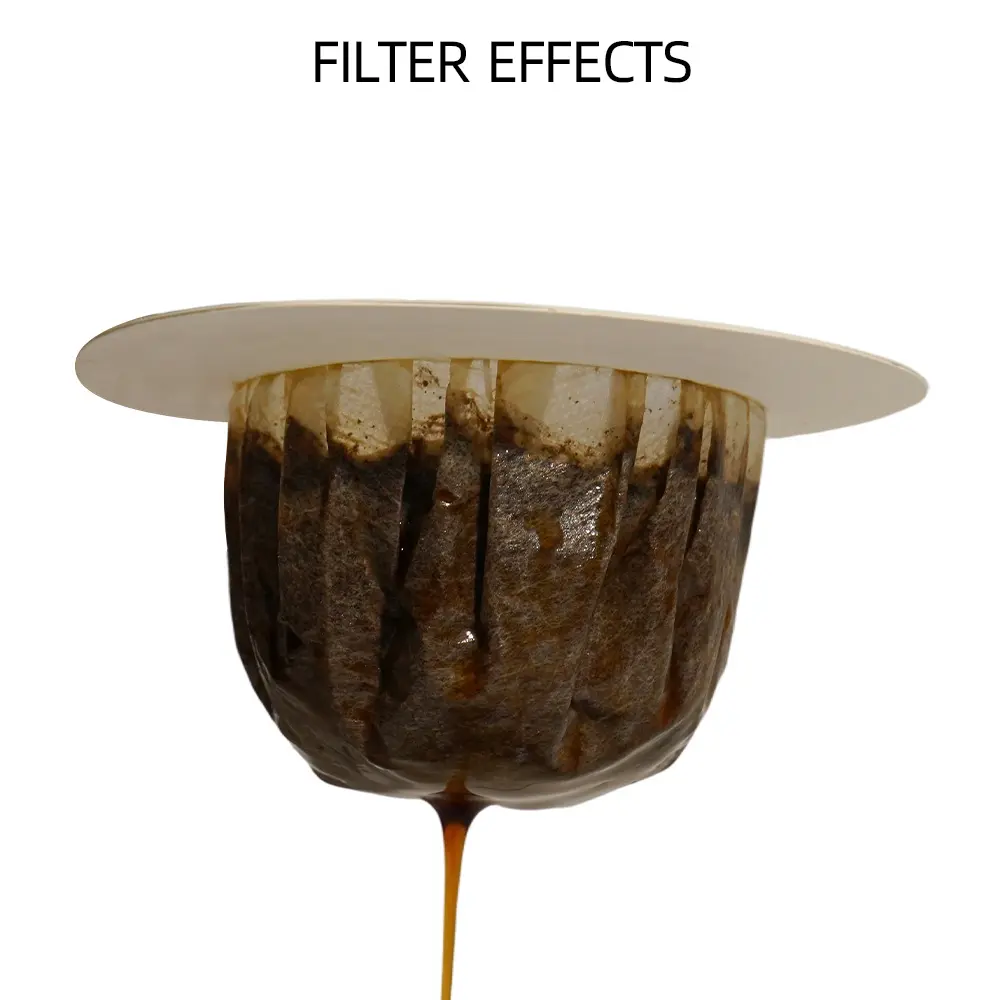
Decide on dose, amount to grind, amount of water and order to pour the coffee. The filter should not be pushed as it stabilizes on the target cup and allow adequate space to control the flow. When it is extracted too rapidly, it will have a weak taste; whereas, when it is extracted too slowly, the user may fill up the filter or give up.
Prior to solicitation of packaging quotations, ascertain three basics:
- The dimension and thickness of the filled filter, but not the size of the empty flat alone.
- The range of cup-width and the strength of the hanging supports.
- The time of brew with realistic consumer pouring conditions.
Choose a Drip Coffee Box Format of Sales Channel.
The number of packs has an impact on the price perception, shelf space, and case efficiency and the trial probability. A small box will be more expensive per serve but will decrease the entry barrier. When the audience already knows about the product and is able to use it prior to its quality deteriorating, a larger pack will enhance value.
| Box Format | Suitable Channel | Primary Advantage | Risque principal |
| 5 sachets | Échantillonnage, voyager, Dons | Low level of commitment and small size. | Higher pack price/per serving. |
| 10 sachets | Basic retail and online retail. | Equal space position and importance. | Inappropriate fit when no testing of sachets. |
| 20 sachets | Office and reorder purchase. | Good dispensing and volume. | Less compression and freight load. |
| Assorted set | Travel and seasonal shopping. | Various sources with a single experience. | Increased artwork and inventory management. |
Folding cartons are cost effective when used in regular store and can be filled quickly. A dispenser may be made out of a bigger carton by means of a perforated panel. Drawer boxes and sleeves offer a dramatic presentation of collections, and hardboard boxes are suitable when making luxury gifts.
Use the Sachet as Freshness Barrier.
The bulk of the freshness is retained to the individually-packaged sachet, but the paperboard box provides structure and communication. The high surface area of ground coffee is linked with the fact that the coffee is exposed and can very easily lose aroma either when oxygen or moisture reaches the pack.
Write Barrier Performance and Seal Quality.
The type of the film has to be decided according to the shelf life to be obtained, climate of storage, filling process, and distribution path. Foil and metal laminates are likely to provide good protection and transparent ones should be checked regarding the barriers. Nitrogen flushing will decrease residual oxygen but not curing a polluted, tight or incomplete seal.
A trial production should examine:
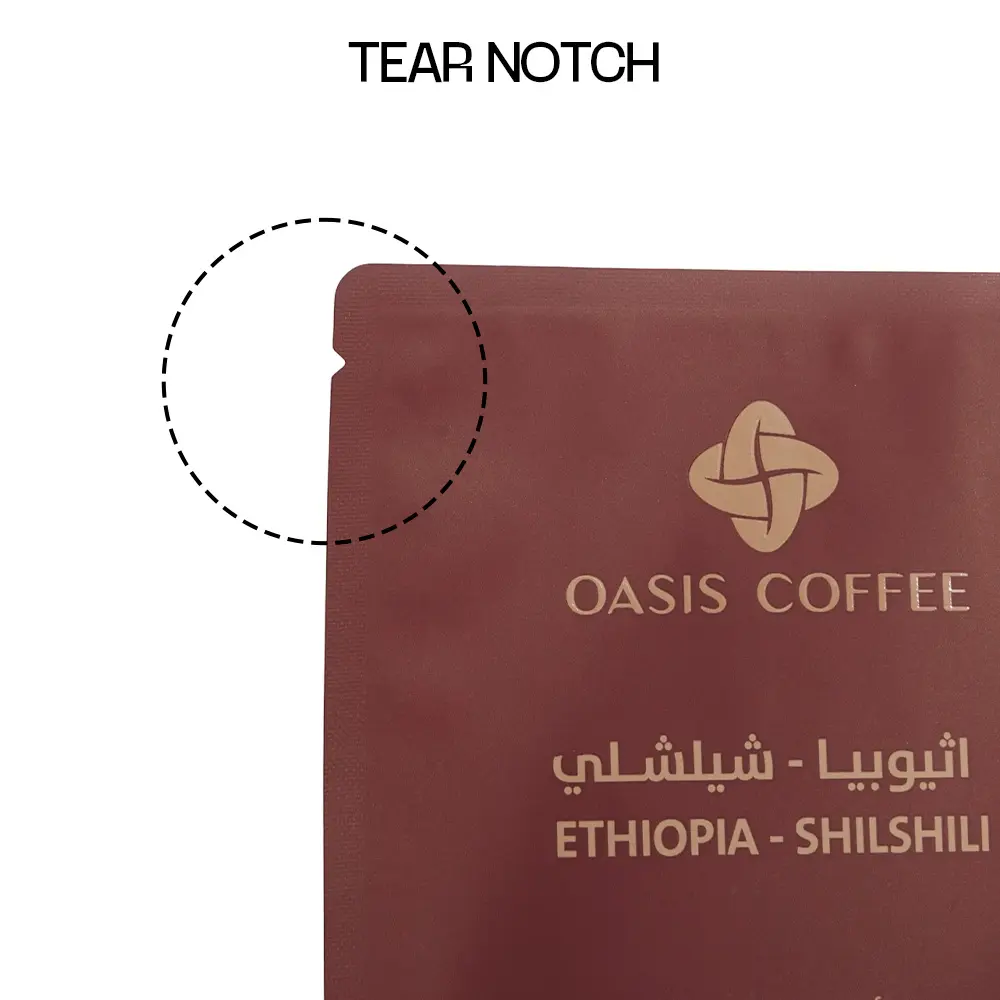
- Seal strength at a normal temperature, pressure and dwell-time.
- The folded filter assists in the resistance of puncture/abrasion.
- Opening the filter without tearing it or throwing coffee grounds around.
Size Retail Carton Filled Samples.
Carton size ought to be created based on occupied, sealed sachets of the targeted production machinery. Flexible packs entrap small volumes of air and come in different levels of thickness and therefore measurements created by artwork or a sachet that is empty are not reliable. Vertical stack testing, flat stacking and alternating positions to find out which one is the most stable.
Difficulty in movement Control Without Removal.
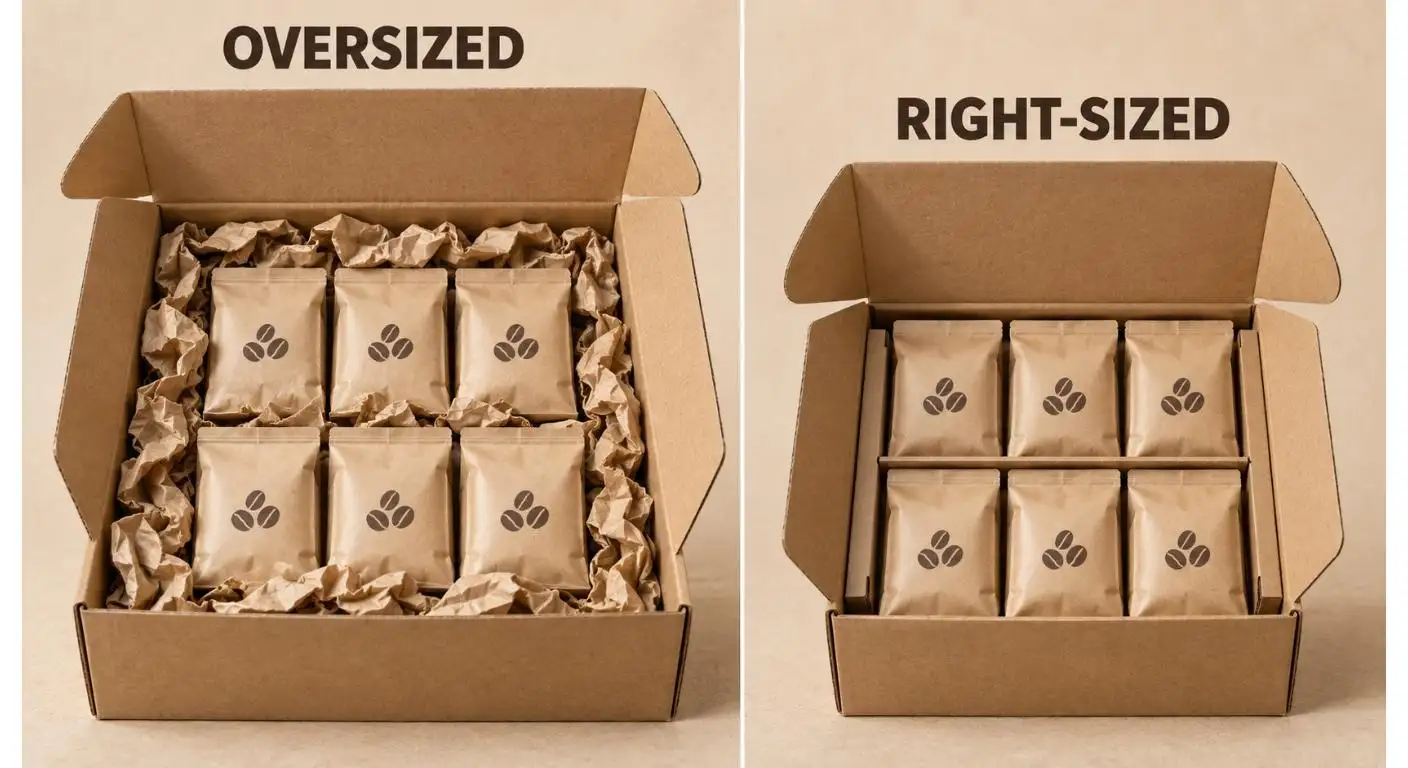
Internal clearance would facilitate easy packing and removal and minimize rattling, and panel bulging. Unnecessary space adds to the space board usage and freight capacity; too tight fit can rub the print off, shape the carton or slow down the conveyor. Separators can be the way to organize mixed-flavor boxes, but additional material of unnecessary trays complicates the recycling process.
Develop an Information Hierarchy in Retail.
A customer is able to interpret the format without having to read each panel. Front should include drip coffee, flavor or origin, the number of serving and the main point of difference of the product. The panels that can be supported include brewing, Traçabilité, storage and disposal.
De-couple Brewing Information and Purchase Information.
Purchase information helps in making the choice of the box; brewing information to make it work when it is opened. The two when combined to form a thick block make reading hard. Make shorter headings, aligned, and spacing sufficient to make each task have its place.
The minimum information will normally include:
- Name of coffee origin or blend, Profil de torréfaction, tasting notes and net quantity.
- Dose, amount of recommended water, temperature of the water and order of pouring.
- Lot/date coding, storage instructions, disposal instructions and necessary market labeling.
Organizes Box and Sachet Art.
The carton and sachet must have similar recognizable brand assets, but do not have to repeat all sentences. There is space in the box to include origin stories and detailed instructions; the sachet must be easily identified when being carried alone. The products can be laid out as stable color coded to make differentiation of the various coffees without creating an inconsistency in the product family.
Design to the Selected Process of Printing.
Art needs to conform to approved dielines and tolerances of production by the supplier. Store folds, glue spots, and perforations and edges between folds and edges which are sensitive to registration between folds, Petit texte. Numérique, Décalage, flexographic and gravure printing vary in regard to their strength, minimum order quantities, color behavior. Evidence of this needs to be tangible as the screens cannot easily portray the shade of boards, Revêtement, cracking of folds or metallic influences.
Enhance Sustainability by means of Packaging Efficiency.
Explanation of sustainability should be taken in bits. The sachet containing the filter and the barrier can not be always recyclable because of having a recyclable carton. The assertions should be based on proven materials and disposal systems in the target market.
The practical enhancements are to right-size the box, minimize unwarranted inserts, choose board responsibly sourced, minimize heavy ink coverage, and not bonded materials, which are hard to separate. Only under the conditions when the appropriate collection and processing conditions are available, compostable filters or films have value. The guidelines on how to dispose the waste are more realistic than the vague environmental expressions.
Test the Finished Pack Prior to making.
Individual samples of artwork should not be accepted but rather the filled system. Do the desired packing, place sachet and seals and weigh the carton. Then subject the product to handling conditions that emulate the retail, parcel shipping or both.
The last validation must involve:
- Appropriate drop, Vibration, Compression, and climate exposure, distribution-wise.
- Barcode scanning, number of cases, shelf facing visibility and packing rate.
- Ouverture, filter mounting, pouring, and disposal instructions and guidelines were tested by users.
Conclusion
A successful drip coffee box starts with the performance of the brewing and concludes with retail performance. The carton, filter and sachet would be in the form of layers, which are connected. The result of an easy time in selling, Navigation, brewing and rebuying would be achieved when the number of pack is related to buying occasion, carton relates to packed goods, and information relates to purchasing and preparation.
FAQ
Écrit par
ypak.coffee
ypak
YPAK PACKAGING GROUP a été créé à 2011 et formé avec 3 entreprises basées à Hong Kong, Dongguan et Foshan. Nous sommes devenus l’un des plus grands fabricants de sachets de café en Chine. Nous utilisons les meilleures vannes WIPF de Suisse pour garder votre café frais.
Respecter la politique d’interdiction du plastique imposée à de nombreux pays différents, Nous avons recherché et développé les sacs d’emballage durables, comme les sachets RECYCLABLES et COMPOSTABLES.
Pas de quantité minimale, aucune plaque couleur n’est requise avec notre service d’impression numérique HP 25K INDIGO.
Vous êtes les bienvenus pour visiter YPAK.
Articles connexes
Emballage de sacs de café personnalisés en gros: Un guide d’achat
Boîtes imprimées personnalisées: De la conception de l’emballage du café à la production
Emballages en papier recyclable: Guide de design pour les marques de café