

Actualisé 2 Heures il y a
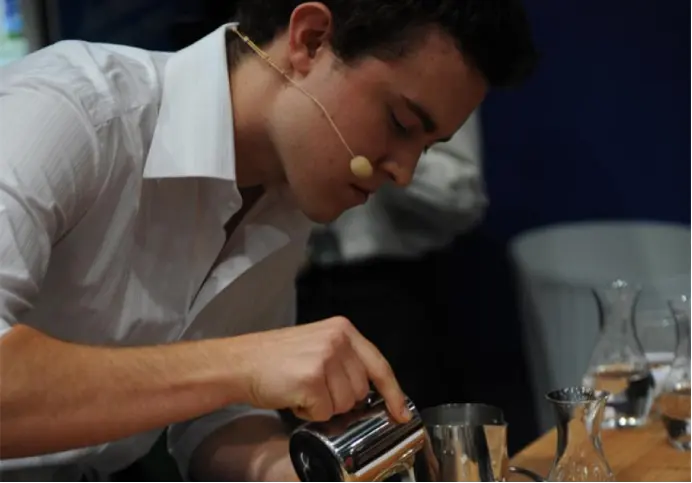
Comment Raúl Rodas a gagné le 2012 Championnat du monde des baristas
ypak.coffee
The Stage – When Producing Countries Rarely Won
Dans 2012, the World Barista Championship was already considered the highest stage in specialty coffee.
Winning required far more than making excellent coffee.
Competitors needed to demonstrate:
- Technical mastery
- Sensory understanding
- Innovation
- Communication
À l’époque, the championship was largely dominated by competitors from consuming countries.
Coffee-producing nations were respected for growing coffee.
But rarely recognized for leading global coffee competitions.
That reality changed in Vienna, Autriche.
When Raúl Rodas stepped onto the stage representing Guatemala, he wasn't just competing for himself.
He was representing an origin country.
And by the end of the competition, he had made history.
The Competition – A Championship Built on Innovation
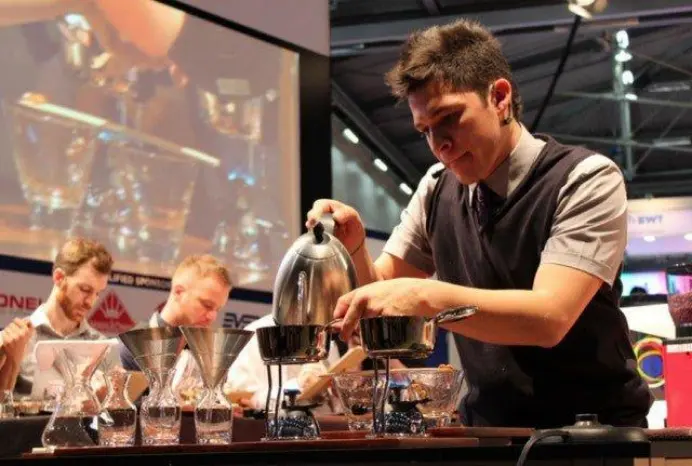
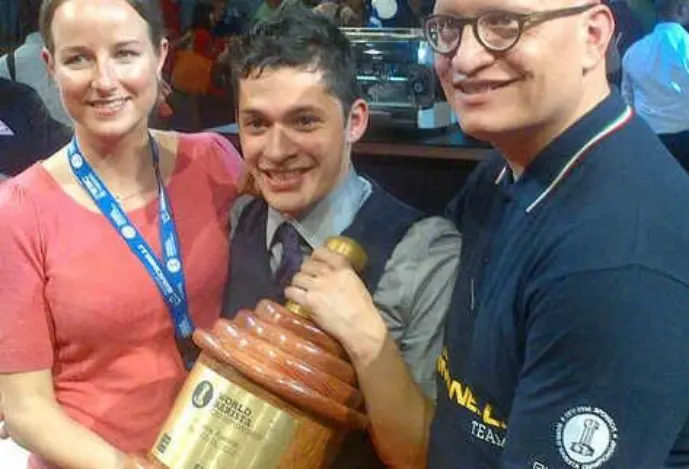
Le 2012 competition arrived during an important transition period for specialty coffee.
Competitors were beginning to move beyond traditional presentations.
Coffee was no longer judged only by:
- Sweetness
- Acidity
- Équilibre
The industry was becoming more interested in:
- Processing methods
- Origin expression
- Flavor innovation
Raúl Rodas understood this shift earlier than many competitors.
Instead of relying on conventional expectations, he brought something unexpected:
A Guatemalan coffee that challenged what people believed Guatemalan coffee could taste like.
The Winning Edge – Why Raúl Rodas Stood Out
1. Redefining Guatemalan Coffee
À l’époque, Guatemala was primarily associated with:
- Chocolate notes
- Heavy body
- Traditional washed profiles
Rodas believed there was more potential.
Through experimentation with natural processing methods, he discovered flavor characteristics rarely associated with Guatemalan coffee.
His competition coffee delivered unusual notes including:
- Pomegranate
- Peppermint
- Tropical fruit complexity
The result surprised judges and audiences alike.
2. Innovation Before It Became a Trend
Aujourd'hui, experimental processing is common.
Dans 2012, it was not.
Many producers were still reluctant to explore natural and alternative processing methods.
Rodas was among the early coffee professionals pushing those boundaries in Guatemala.
His championship routine demonstrated that innovative processing could create coffees capable of competing on the world stage.
3. Competing With an Origin Mindset
Perhaps the most important difference was perspective.
Many competitors approached coffee from the café side.
Rodas approached it from origin.
He understood:
- Production
- Processing
- Green coffee quality
- Farmer relationships
That deeper connection to coffee itself gave his presentation unusual authenticity.
He wasn't simply presenting a coffee.
He was presenting the potential of an entire producing country.
The Historic Impact of the Victory
Raúl Rodas' victory became one of the most significant moments in Latin American specialty coffee history.
For many coffee professionals, the win represented something bigger than a championship trophy.
It demonstrated that producing countries could lead global coffee conversations rather than simply supply coffee to them.
His success helped bring greater international attention to:
- Guatemalan specialty coffee
- Experimental processing
- Producer-driven innovation
And it inspired a new generation of coffee professionals across producing regions.
From Champion to Founder – The Vision Behind Paradigma Coffee
After becoming World Barista Champion, Raúl Rodas continued building his long-term vision through Paradigma Coffee.
Unlike many competition winners who focus primarily on cafés, Rodas expanded deeper into origin coffee development.
Through Paradigma Coffee, he became involved in:
- Green coffee sourcing
- Processing development
- Coffee exporting
- Roasting
- Producer collaboration
His goal was not simply to sell coffee.
It was to help reveal the full diversity of Guatemalan coffee.
The philosophy remains consistent with what helped him win in 2012:
Hypothèses de questions.
Explore new possibilities.
Let coffee express more than people expect.
Ce que cela signifie pour les marques de café aujourd’hui
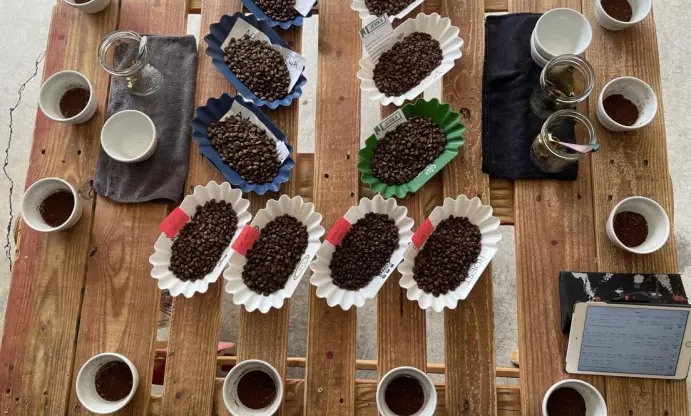
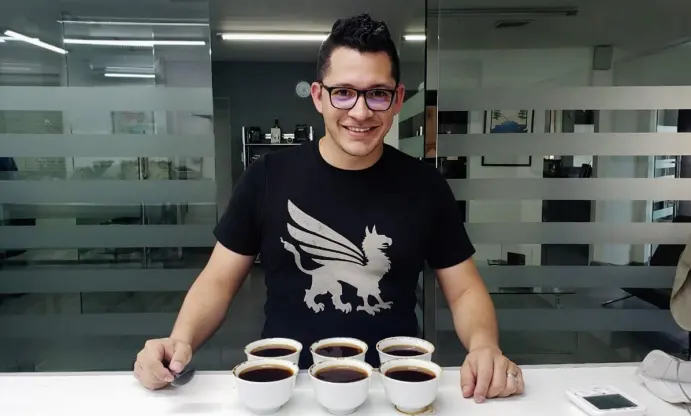
Plus d’une décennie plus tard, the coffee industry continues to reflect the ideas that competitors like Raúl Rodas helped introduce.
Aujourd'hui, some of the most valued coffees in specialty coffee come from:
- Experimental processing
- Producer innovation
- Origin-driven quality development
Customers increasingly want more than flavor.
They want:
- Transparence
- Story
- Authenticité
- Connection to origin
And brands that successfully communicate these elements often create stronger long-term customer relationships.
Final Thoughts – The Champion Who Changed Expectations
Raúl Rodas did more than win the World Barista Championship.
He challenged assumptions.
At a time when producing countries were rarely expected to dominate global coffee competitions, he demonstrated that innovation could come directly from origin.
Son 2012 victory helped expand how the industry thinks about:
- Processing
- Saveur
- Competition
- Coffee-producing countries
Et plus d’une décennie plus tard, that influence is still visible throughout specialty coffee.
Une question pour les marques de café
If your customers already know where your coffee comes from...Do they understand what makes it different?